Introduction: The Personalized Learning Revolution
We are witnessing a fundamental transformation in how knowledge is delivered and absorbed across educational sectors. Driven by advances in artificial intelligence, personalized learning has evolved from a theoretical ideal to an operational reality reaching from specialized medical training to classrooms worldwide. The AI-powered adaptive learning market is projected to grow by $25 billion between 2024 and 2028, representing a staggering compound annual growth rate of 30%. This isn't merely about digitizing existing content—it's about fundamentally reimagining education through systems that continuously adapt to individual learner needs, knowledge gaps, and preferred pacing. What began in specialized fields like medical education is now scaling across global classrooms, creating unprecedented opportunities for personalized learning at scale.
AI in Medical Education: Precision Training for Future Healthcare
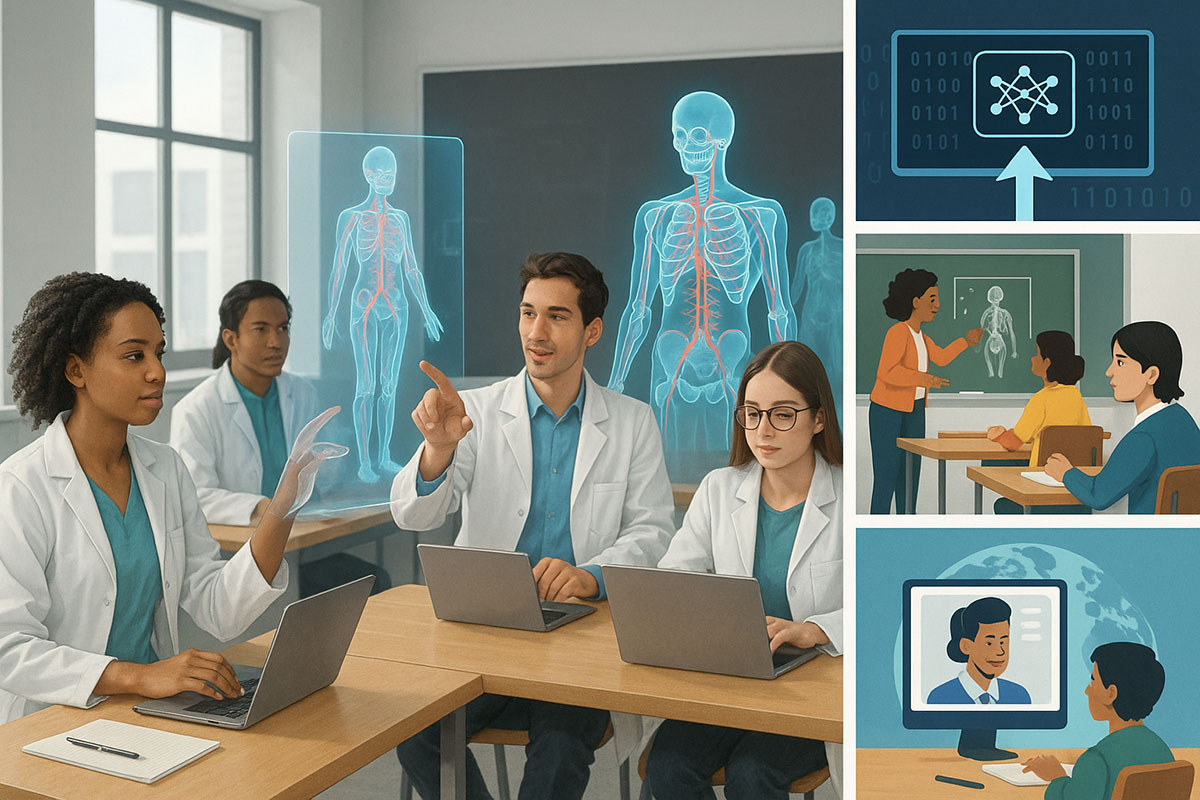
Medical education represents one of the most promising and critical applications of AI-powered learning tools. The stakes are extraordinarily high—the quality of training directly impacts patient outcomes and healthcare system effectiveness. Medical knowledge itself is doubling approximately every 73 days, creating an impossible challenge for traditional educational methods to keep pace. AI systems are filling this gap by providing dynamic, current, and highly personalized training pathways for medical students and professionals.
Real-World Implementations in Medical Training
Leading institutions are pioneering innovative applications of AI that demonstrate the technology's transformative potential:
Harvard Medical School has built generative AI directly into its curriculum, recognizing that "within a few years it's going to be built into everything" according to Dean for Medical Education Bernard Chang. The school has introduced a mandatory one-month introductory course on AI in healthcare for all incoming students on the Health Sciences and Technology track—a pioneering move in medical education. Additionally, their PhD track in AI in Medicine (AIM) received over 400 applications for just 7 spots, demonstrating enormous demand for these specialized skills.
Human Diagnosis Project (Human Dx) combines collective physician intelligence with machine learning to deliver better, more accurate, and accessible care. This system, developed in collaboration with leading institutions including Harvard, Stanford, and Yale, represents a new paradigm in clinical decision-making support.
AI-Enhanced Simulation Training at institutions like Western Michigan University's Homer Stryker M.D. School of Medicine uses chat robots with artificial intelligence to simulate patient interactions. Second-year students practice clinical skills by conversing with these AI systems to learn about symptoms and medical history in a risk-free environment.
The Technology Behind the Transformation: Adaptive Learning Platforms
What enables these advanced educational experiences? Adaptive learning AI leverages machine learning algorithms to analyze learner behavior, track progress, and adjust content dynamically to meet individual needs. Unlike traditional one-size-fits-all models, these systems continuously tailor instruction, ensuring an optimal and personalized experience for each user. The core technological components include:
| Technology Component | Function | Benefit |
|---|---|---|
| Machine Learning Algorithms | Analyze learner responses and behavior patterns | Identifies knowledge gaps and optimal learning pathways |
| Natural Language Processing | Enables interaction with educational content | Allows conversational learning and feedback |
| Predictive Analytics | Forecasts learning outcomes and challenges | Enables proactive intervention and support |
| Generative AI | Creates personalized content and assessments | Dynamically generates tailored learning materials |
Leading AI-Powered Learning Platforms in 2025
Several platforms have emerged as leaders in the EdTech space, each offering unique approaches to personalized learning:
1. 360Learning
Ranked as the #1 AI-powered LMS by eLearning Industry, 360Learning combines collaborative learning features with robust AI capabilities. Its AI Companion serves as a purpose-built partner for L&D teams, embedded throughout the platform to support users across learning tasks, administrative workflows, and data-driven insights. The platform's search functionality uses natural language processing to help employees quickly find exact knowledge needs, surfacing content from both formal courses and collaborative expertise shared by colleagues.
2. Docebo
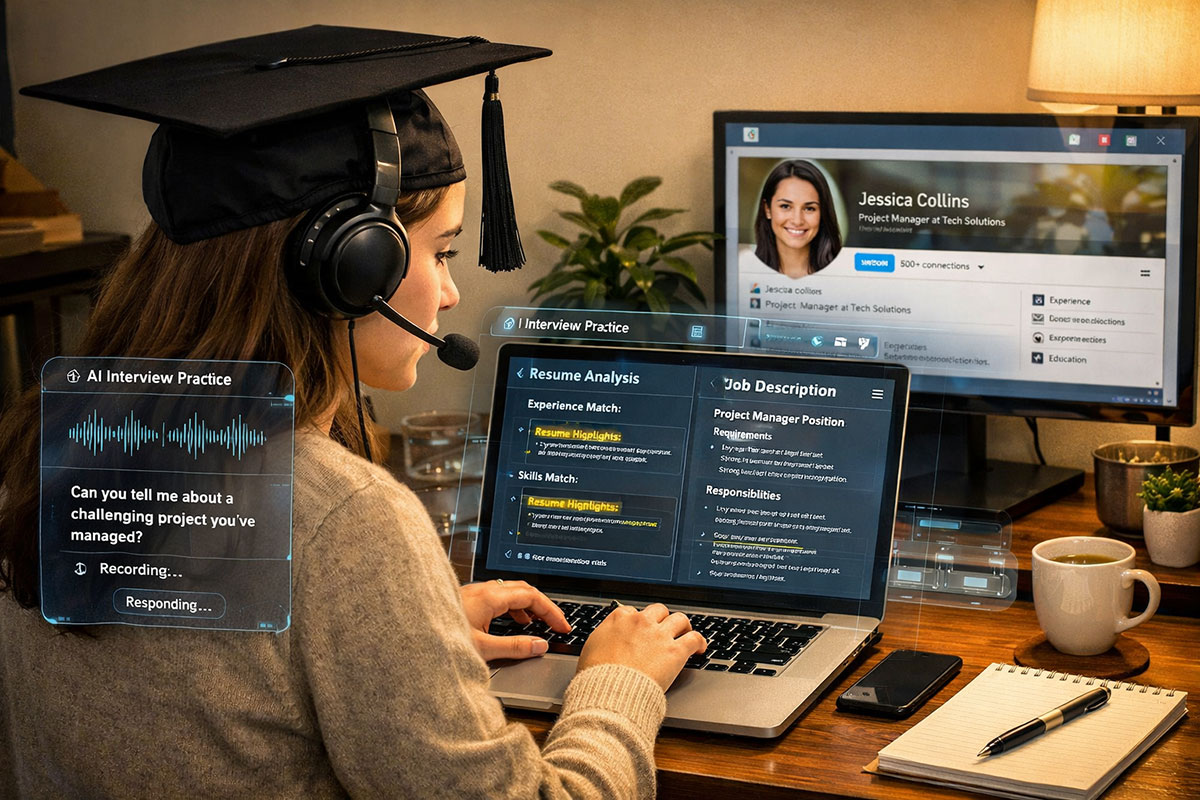
This cloud-based platform includes AI-driven features like Deep Search, which analyzes learning content by categorizing keywords and creating relevant search results. Its AI-powered course authoring utilizes a drag-and-drop editor with features to rephrase, rewrite, expand, and translate content, significantly reducing development time. The platform's AI virtual coach offers role-based practice sessions powered by generative AI, providing real-time feedback to learners.
3. Sana Labs
Sana Labs enables organizations to discover, share, and apply knowledge through AI-powered capabilities. The platform can quickly search across company knowledge systems including Google, Salesforce, and Slack to find relevant documents, emails, messages, and spreadsheets. It also includes speech recognition technology to transcribe, summarize, and index meetings, turning conversations into learning opportunities.
4. SchoolAI
SchoolAI focuses on classroom implementation with features like "Dot," an AI assistant that guides students through interactive workspaces, adapting to how they learn and ensuring they understand key concepts before moving on. The platform provides teachers with real-time visibility into student progress, offering instant insight into what students know, where they're struggling, and how to help. Used in over 1 million classrooms, SchoolAI demonstrates the scalability of AI-powered educational tools.
Benefits Scaling Across Educational Contexts
The implementation of AI-powered adaptive learning systems generates significant benefits across diverse educational environments:
Enhanced Personalized Learning
AI tailors educational content to each student's unique learning style and pace. Platforms like DreamBox and Smart Sparrow analyze student responses in real time to adapt lessons dynamically, enabling every student to master concepts at their own speed. This personalization extends beyond pacing to include content modality, difficulty adjustment, and feedback specificity.
Automated Administrative Tasks
AI automates grading, scheduling, and report generation, significantly reducing the workload on educators. Tools like Gradescope provide consistent and objective grading of assignments, while AI scheduling software helps optimize class timetables and resource allocation. This automation frees educators to focus on higher-value interactions with students.
Improved Accessibility
AI-driven assistive technologies support students with disabilities, ensuring a more effective learning environment. Speech recognition software transcribes spoken words into text for hearing-impaired students, while other AI tools provide personalized learning experiences for students with different learning challenges. These technologies are breaking down traditional barriers to education.
Data-Driven Insights
AI analyzes vast amounts of educational data to provide educators with actionable insights. Platforms track student performance across various metrics, helping teachers identify learning gaps and adjust their instructional strategies accordingly. This data-informed approach enables continuous improvement of both teaching methods and learning materials.
Implementation Strategies for Educational Institutions
Successfully integrating AI-powered learning tools requires thoughtful strategy and execution:
1. Define Clear Learning Objectives
Identify specific areas where AI can enhance education and training, whether addressing particular skill gaps, improving accessibility, or increasing engagement. Well-defined objectives ensure that technology serves educational goals rather than driving them.
2. Select Appropriate AI Solutions
Choose platforms that align with institutional needs, infrastructure, and budgets. Consider factors such as integration capabilities with existing systems, scalability, privacy compliance, and support services. Pilot programs can help evaluate effectiveness before full implementation.
3. Prioritize Faculty Development
Invest in comprehensive training programs to ensure educators can effectively leverage new AI tools. When faculty understand how to use these systems to enhance rather than replace their teaching, adoption rates and effectiveness increase significantly.
4. Establish Ethical Guidelines
Develop clear policies regarding data privacy, algorithmic bias monitoring, and appropriate use of AI-generated content. These guidelines should evolve alongside the technology to address emerging challenges and opportunities.
The Future of AI in Education
As AI technology continues to evolve, adaptive learning platforms will become increasingly intelligent, responsive, and personalized. We can anticipate several key developments:
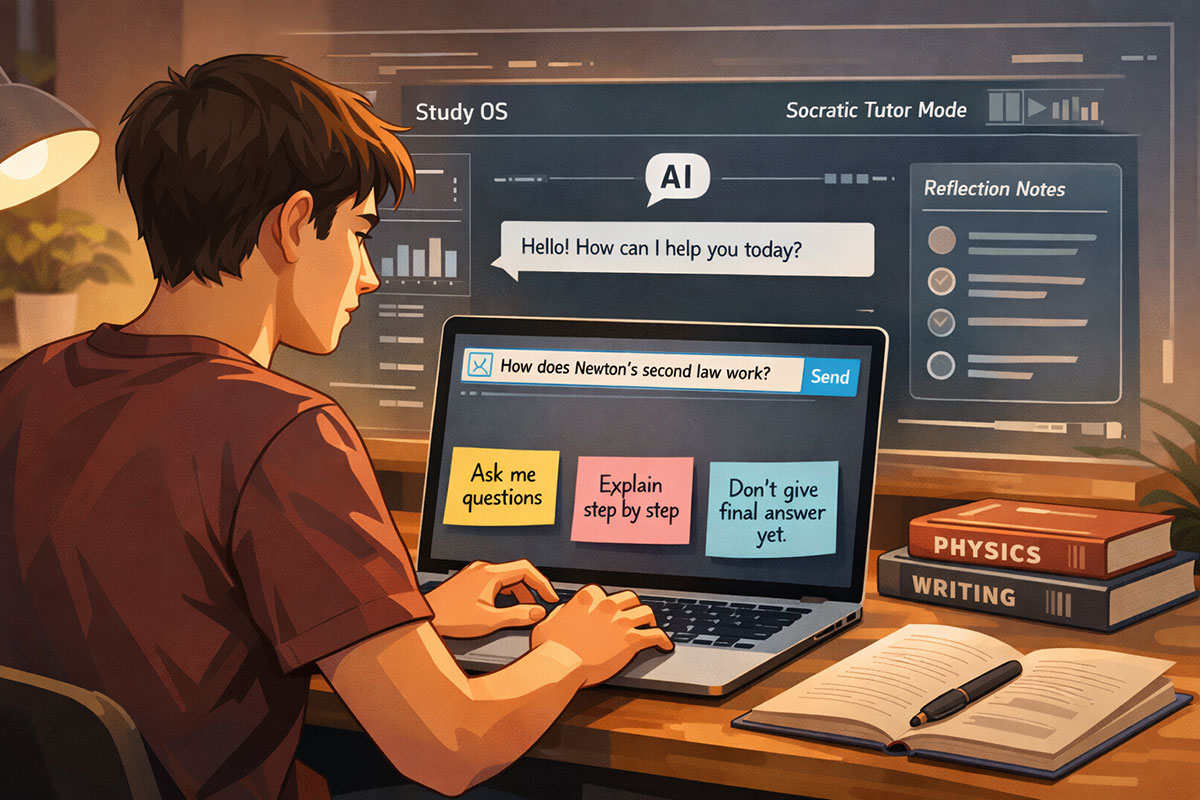
AI-Powered Virtual Tutors will deliver increasingly sophisticated real-time, interactive tutoring experiences, providing personalized support that rivals human tutoring for many subjects.
Predictive Learning Analytics will become more precise, enabling earlier identification of at-risk students and more effective interventions to support their success.
Conversational AI & Chatbots will enhance learner engagement with increasingly natural and context-aware real-time assistance.
AI-Generated Learning Content will reduce manual content development efforts while increasing personalization and relevance for specific learner groups.
Conclusion: The Path Forward
The transformation from standardized instruction to personalized learning represents one of the most significant shifts in education since the invention of the printing press. AI-powered tools are enabling this transition at scale, from highly specialized medical training to classrooms serving diverse learners worldwide. As these technologies continue to mature and evolve, they promise to make high-quality, personalized education increasingly accessible to learners across geography, socioeconomic status, and learning style.
The institutions that will thrive in this new landscape are those that strategically embrace these tools while maintaining focus on fundamental educational values—fostering critical thinking, nurturing creativity, and developing human potential. The future of education isn't about replacing educators with algorithms, but about empowering them with tools that amplify their ability to reach every student effectively.
Related Reading
- How AI-Powered Adaptivity Is Redesigning Learning Management Systems in 2025
- AI in Healthcare 2025: How Smart Diagnostics Are Transforming Patient Care
- AI in US Classrooms 2025: Are Smart Tutors the Future of Education?
About the Author
Girish Soni is the founder of TrendFlash and an independent AI strategist covering artificial intelligence policy, industry shifts, and real-world adoption trends. He writes in-depth analysis on how AI is transforming work, education, and digital society. His focus is on helping readers move beyond hype and understand the practical, long-term implications of AI technologies.