Introduction: The Battle for Control
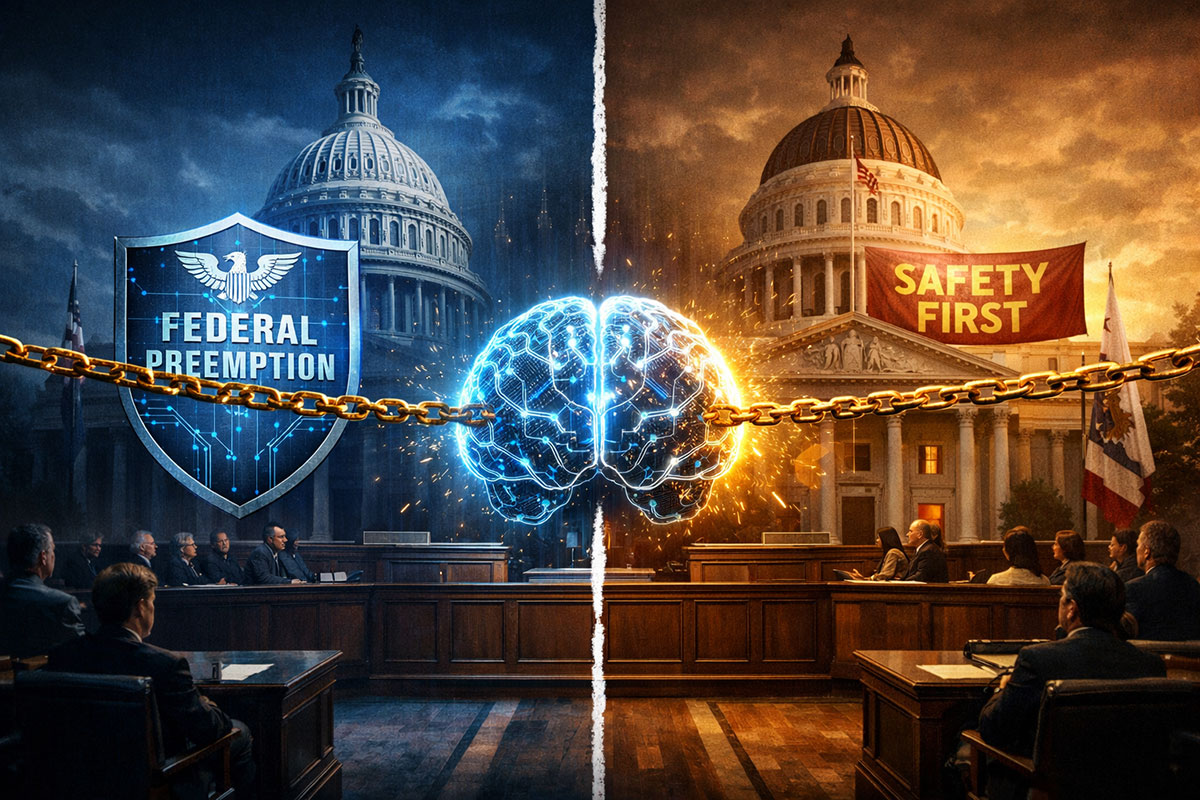
Tech companies built AI. Now governments want to regulate it. This is a fundamental power struggle that will shape the future of AI. Who wins determines whether AI serves humanity or corporate interests.
The Players
Team Tech
- Tech giants (Google, OpenAI, Meta, etc.)
- AI startups (well-funded, venture-backed)
- Investors (want unrestricted markets)
- Technical expertise (government lacks it)
Advantages: Money, talent, speed, political influence
Team Government
- EU regulators (aggressive, coherent)
- US regulators (fragmented, slow)
- National governments (worried about sovereignty)
- Public interest advocates
Advantages: Democratic mandate, legal authority, enforcement power
The Battle So Far (2023-2025)
EU AI Act
What it does: Comprehensive AI regulation (first major law)
Requirements:
- High-risk AI requires testing, documentation
- Transparency requirements
- Human oversight mandated
Tech response: Lobbying heavily, threatening to leave EU
Impact: Some compliance, but limited enforcement so far
US Approach
Strategy: Light-touch, voluntary guidelines
Reality: No comprehensive law yet
Why: Tech companies lobby effectively, government lacks expertise, fragmented approach
Other Countries
China: Heavy regulation, government control
UK: Light-touch approach (attracting startups)
Others: Varying approaches, generally underdeveloped
The Arguments
Tech Says
- "Regulation kills innovation"
- "We self-regulate responsibly"
- "Government doesn't understand tech"
- "We're moving too fast for slow regulation"
- "Overregulation helps China win"
Government Says
- "Tech has track record of not self-regulating"
- "AI has societal impact that requires oversight"
- "Unregulated tech harms public interest"
- "Regulation is about safety, not stifling innovation"
- "International standards prevent races to bottom"
Public Interest Says
- "Both are wrong—tech profits over people"
- "Government too captured by corporate interests"
- "We need stronger regulation protecting workers/consumers"
- "Current trajectory unsustainable"
Key Battlegrounds
Battle 1: Transparency
Tech wants: Black boxes (proprietary secrets)
Government wants: Explainability (understand decisions)
Who's winning: Draw (some transparency required, but limited)
Battle 2: Bias Audits
Tech wants: No mandatory audits
Government wants: Regular testing for discrimination
Who's winning: Tech (audits proposed, not mandated)
Battle 3: Liability
Tech wants: Limited liability (not responsible for AI mistakes)
Government wants: Companies responsible for harms
Who's winning: Tech (liability unclear, favors companies)
Battle 4: Data Rights
Tech wants: Free access to data
Government wants: Individual data rights protection
Who's winning: Mixed (GDPR/CCPA some protection, but limited)
Battle 5: AI-Generated Content
Tech wants: No restrictions (generate anything)
Government wants: Regulation of harmful content (deepfakes, etc.)
Who's winning: Tech (mostly unregulated)
Future Scenarios
Scenario A: Tech Wins
2025-2030: Minimal regulation, self-regulation dominates
Consequence: AI develops rapidly, but with societal harms (bias, job loss, inequality)
Probability: 30%
Scenario B: Government Wins
2025-2030: Comprehensive regulation, significant requirements
Consequence: AI develops slower, but safer, fairer
Probability: 20%
Scenario C: Fragmented Approach
2025-2030: Different rules in different regions (EU strict, US loose, China authoritarian)
Consequence: Complex compliance, regulatory arbitrage
Probability: 50% (most likely)
The Real Issue
This isn't really about regulation vs. innovation. It's about power: Who controls AI development and who benefits from it?
- Tech wants to control it (and profit)
- Government wants to represent public interest
- Public wants fairness and safety
These goals are in tension. How we resolve determines AI's future.
Conclusion: The Outcome Matters
This regulatory battle will shape AI for decades. If tech wins, unregulated superintelligence could arrive. If government wins wisely, AI could be safer and fairer. If badly regulated, innovation might be stifled. The stakes are enormous.
Explore more on AI policy and regulation at TrendFlash.
About the Author
Girish Soni is the founder of TrendFlash and an independent AI strategist covering artificial intelligence policy, industry shifts, and real-world adoption trends. He writes in-depth analysis on how AI is transforming work, education, and digital society. His focus is on helping readers move beyond hype and understand the practical, long-term implications of AI technologies.